Monday, 24 July 2023

30-Day Weight Loss Diet Plan: Balanced Meals, Portion Control & Exercise

Weight-loss diet, Best weight-loss diet,,Healthy weight-loss diet,Rapid weight-loss diet,Effective weight-loss diet,Low-carb weight-loss diet,High-protein weight-loss diet,Ketogenic weight-loss diet,Paleo weight-loss diet,Vegan weight-loss diet,Vegetarian weight-loss diet,Mediterranean weight-loss diet,Intermittent fasting weight-loss diet,5:2 weight-loss diet,Atkins weight-loss diet,South Beach weight-loss diet,DASH weight-loss diet,Flexitarian weight-loss diet,WW (Weight Watchers) weight-loss diet,CICO (Calories In, Calories Out) weight-loss diet,Plant-based weight-loss diet,Low-calorie weight-loss diet,Low-fat weight-loss diet,Clean eating weight-loss diet,Detox weight-loss diet

Losing weight in 30 days requires a combination of a well-balanced diet, portion control, hydration, and physical activity. Below is a detailed plan covering all aspects of a healthy weight-loss diet.


1. Set Realistic Goals

  • Aim for a healthy weight loss of 4-6 kg in 30 days.
  • Create a caloric deficit by consuming fewer calories than you burn.
  • Track progress through measurements and weight checks (once a week).

2. Focus on a Balanced Diet

A healthy weight-loss diet should be rich in nutrients and low in empty calories. Follow the 80-20 rule: 80% healthy food, 20% flexibility.

A. Macronutrient Distribution

  1. Protein (40-50%)

    • Helps in muscle retention and fat loss.
    • Increases metabolism and keeps you full.
    • Sources: Chicken, fish, eggs, paneer, tofu, lentils, Greek yogurt, nuts, seeds.
  2. Healthy Fats (20-25%)

    • Supports metabolism and hormone function.
    • Avoid trans fats and processed oils.
    • Sources: Nuts, seeds, olive oil, coconut oil, avocados, fatty fish.
  3. Carbohydrates (25-30%)

    • Choose complex carbs with fiber for sustained energy.
    • Sources: Whole grains (brown rice, quinoa, oats), vegetables, legumes, fruits.

3. Portion Control & Meal Frequency

  • Eat small, frequent meals (4-6 meals/day).
  • Use portion control (small plates, mindful eating).
  • Follow the 50-30-20 rule:
    • 50% of your plate should be vegetables
    • 30% protein
    • 20% healthy carbs

4. Hydration & Detox

  • Drink 3-4 liters of water daily.
  • Start your day with warm lemon water or detox drinks.
  • Green tea, herbal teas, and infused water help with metabolism.
  • Avoid sugary drinks, sodas, and excessive caffeine.

5. Meal Plan Example (Indian & General Diet)

Here’s a sample 1-day meal plan:

Morning (6-7 AM) – Detox & Hydration

✅ Warm lemon water / Green tea / Apple cider vinegar in warm water
✅ 5-6 soaked almonds + 2 walnuts

Breakfast (8-9 AM) – High-Protein Meal

✅ Oats porridge with nuts OR
✅ Boiled eggs + whole wheat toast OR
✅ Besan chilla / Moong dal chilla with yogurt

Mid-Morning Snack (11 AM)

✅ Green tea + 1 fruit (apple/pear/orange) OR
✅ Handful of nuts & seeds

Lunch (1-2 PM) – Balanced Meal

✅ 1 small bowl brown rice/quinoa OR 2 whole wheat chapati
✅ Grilled chicken/fish OR dal/paneer
✅ A bowl of salad (cucumber, carrot, beetroot)
✅ Curd or buttermilk

Evening Snack (4-5 PM)

✅ Green tea / Black coffee
✅ Handful of roasted makhana / sprouts

Dinner (7-8 PM) – Light Meal

✅ Grilled paneer/fish/tofu with veggies OR
✅ Vegetable soup + salad OR
✅ Dal + stir-fried vegetables

Post-Dinner (9 PM, Optional)

✅ Chamomile tea or warm turmeric milk


6. Foods to Eat & Avoid

Foods to Include:

✅ High-fiber foods (oats, quinoa, brown rice, vegetables, fruits)
✅ Lean protein (chicken, fish, eggs, paneer, tofu, lentils)
✅ Healthy fats (nuts, seeds, avocado, olive oil)
✅ Probiotics (curd, buttermilk, fermented foods)

Foods to Avoid:

❌ Processed foods (biscuits, chips, fast food)
❌ Sugary drinks (soft drinks, packaged juices)
❌ White flour & refined carbs (maida, white bread, white rice)
❌ Fried & junk food (samosa, pakoras, pizza)


7. Lifestyle Changes for Better Results

A. Exercise Routine (30-45 mins daily)

✅ Strength training (3-4 days/week)
✅ Cardio (walking, running, skipping, cycling)
✅ Yoga for flexibility & stress reduction
✅ 10,000 steps daily goal

B. Sleep & Stress Management

✅ Sleep 7-8 hours per night
✅ Reduce stress with meditation, yoga, or deep breathing
✅ Avoid screens 1 hour before bed


8. Final Tips for Success

  • Cook at home, avoid outside food.
  • Track progress with a food journal or app.
  • Stay consistent—results come with discipline & patience.
  • If needed, consult a nutritionist for a personalized plan.

Conclusion

A 30-day weight-loss diet is effective when combined with balanced eating, portion control, exercise, and a healthy lifestyle. Stick to whole, nutritious foods and stay hydrated & active to see visible results within a month! πŸš€πŸ’ͺ

 customized meal plan based on your preferences? 😊


To create a customized meal plan, I need some details:

  1. Dietary Preference: Vegetarian / Non-vegetarian / Eggetarian?
  2. Target Weight Loss: How many kgs do you aim to lose?
  3. Current Weight & Height: Helps in planning calories.
  4. Food Allergies or Avoidances: Any foods you dislike or can’t eat?
  5. Meal Frequency: Do you prefer 3 large meals or 5-6 small meals?
  6. Exercise Routine: Are you currently exercising? (Walking, gym, yoga, etc.)
  7. Lifestyle: Active (physical work) or sedentary (desk job)?


General tips for a 10-day weight-loss diet | lori harvey weight loss diet.

  • .
    Weight-loss diet, Best weight-loss diet,,Healthy weight-loss diet,Rapid weight-loss diet,Effective weight-loss diet,Low-carb weight-loss diet,High-protein weight-loss diet,Ketogenic weight-loss diet,Paleo weight-loss diet,Vegan weight-loss diet,Vegetarian weight-loss diet,Mediterranean weight-loss diet,Intermittent fasting weight-loss diet,5:2 weight-loss diet,Atkins weight-loss diet,South Beach weight-loss diet,DASH weight-loss diet,Flexitarian weight-loss diet,WW (Weight Watchers) weight-loss diet,CICO (Calories In, Calories Out) weight-loss diet,Plant-based weight-loss diet,Low-calorie weight-loss diet,Low-fat weight-loss diet,Clean eating weight-loss diet,Detox weight-loss diet

10-Day Weight Loss Diet Plan: Tips & Lori Harvey’s Weight Loss Diet

Losing weight in 10 days requires a balanced diet, hydration, exercise, and discipline. While Lori Harvey, a well-known model and influencer, follows a strict fitness routine and diet, you can adapt similar strategies to achieve your own weight-loss goals in a healthy and sustainable way.


General Tips for a 10-Day Weight Loss Diet

✅ 1. Focus on a Calorie Deficit

  • Consume fewer calories than you burn each day.
  • Use a calorie calculator to determine your daily calorie needs and aim for a 500-700 calorie deficit for effective weight loss.

✅ 2. Eat More Protein & Fiber

  • Protein: Helps build lean muscle and keeps you full longer.
    • Best sources: Eggs, chicken, fish, tofu, paneer, lentils, Greek yogurt.
  • Fiber: Supports digestion and prevents cravings.
    • Best sources: Vegetables, fruits, whole grains, nuts, and seeds.

✅ 3. Cut Out Sugar & Processed Foods

  • Avoid refined sugar, white flour, fried foods, and sugary drinks.
  • Replace with natural sweeteners (honey, stevia) and whole foods.

✅ 4. Drink Plenty of Water

  • Aim for 2.5-3 liters per day to boost metabolism and flush out toxins.
  • Start your day with warm lemon water for digestion and detox benefits.

✅ 5. Follow a Meal Timing Strategy

  • Eat every 3-4 hours to keep metabolism active.
  • Stop eating at least 3 hours before bedtime to prevent fat storage.

✅ 6. Include Healthy Fats

  • Healthy fats keep you full and improve nutrient absorption.
    • Best sources: Avocados, nuts, olive oil, coconut oil, chia seeds.

✅ 7. Exercise Daily (Strength + Cardio)

  • Cardio (30-45 minutes daily) – Running, cycling, skipping, HIIT.
  • Strength Training (3-4 times a week) – Helps build lean muscle.
  • Core Workouts & Pilates – Good for toning and shaping.

✅ 8. Get 7-8 Hours of Sleep

  • Poor sleep increases hunger hormones, leading to weight gain.
  • Maintain a consistent sleep schedule for better metabolism.

Lori Harvey’s Weight Loss Diet Plan

Lori Harvey follows an intense fitness and diet routine to maintain her slim and toned physique. She has shared details about her diet, including how she lost weight quickly after gaining some pounds.

1. Caloric Deficit & Portion Control

  • Lori tracks her calories and follows a low-calorie, high-protein diet.
  • She practices portion control to avoid overeating.

2. High-Protein & Low-Carb Diet

  • Breakfast: Eggs or a protein smoothie.
  • Lunch: Grilled chicken/fish with steamed veggies.
  • Dinner: A light meal with protein (like salmon or tofu) and greens.
  • Snacks: Almonds, green juice, or fruit.

3. No Processed Foods & Sugary Drinks

  • Eliminates junk food, sodas, and processed carbs.
  • Focuses on whole, nutrient-dense foods.

4. Intense Workouts (Pilates & Cardio)

  • Pilates is a major part of her routine for a lean, toned look.
  • Cardio workouts (running, cycling, treadmill) help her burn fat.

5. Hydration & Detox Drinks

  • Drinks at least 3 liters of water daily.
  • Starts her day with detox drinks like lemon water or green juice.

10-Day Weight Loss Meal Plan

Day 1-3: Clean Eating Start

✅ Warm lemon water in the morning.
✅ Protein-rich breakfast (scrambled eggs & whole-grain toast).
✅ Light lunch (grilled chicken + salad).
✅ Snack: Nuts & green tea.
✅ Dinner: Steamed fish + sautΓ©ed vegetables.

Day 4-6: Boost Metabolism

✅ Increase fiber intake (oats, fruits, flaxseeds).
✅ More lean protein (chicken, fish, tofu).
✅ No fried foods or sugar.
✅ Strength training workouts added.

Day 7-10: Fat Burning Phase

✅ Add HIIT workouts (jump rope, burpees, squats).
✅ Cut down on carbs in dinner (only protein + veggies).
✅ Hydrate well (green tea, detox water).
✅ Get proper sleep to aid weight loss.


Final Takeaway

Lori Harvey’s diet focuses on clean eating, portion control, and exercise. If you want to lose weight in 10 days, follow a similar plan with a calorie deficit, high protein intake, and daily workouts.

Saturday, 22 July 2023

Most Common Sexual Problems In Men And Women And Their Treatment.

Erectile dysfunction,Premature ejaculation,Low libido,Sexual arousal disorder,Orgasmic disorder,Painful intercourse (dyspareunia),Vaginal dryness ,Delayed ejaculation ,Loss of sexual desire ,Sexual dysfunction ,Sexual health issues ,Sexual problems in men ,Sexual problems in women ,Male sexual disorders ,Female sexual disorders ,Sexual issues in relationships ,Sexual performance problems ,Trouble achieving orgasm ,Lack of sexual satisfaction ,Inability to maintain an erection ,Difficulty becoming aroused ,Sexual dissatisfaction ,Sexual communication problems

Most Common Sexual Problems in Men and Women & Their Treatment

Sexual problems, also known as sexual dysfunctions, can affect both men and women, impacting desire, arousal, and satisfaction in sexual activity. These issues may be caused by physical, psychological, hormonal, or lifestyle factors. Proper diagnosis and treatment can help improve sexual health and overall well-being.


Common Sexual Problems in Men & Their Treatment

1. Erectile Dysfunction (ED)

What is it?

  • The inability to achieve or maintain an erection firm enough for sexual intercourse.

Causes:
✅ Poor blood circulation (due to diabetes, high BP, heart disease)
✅ Psychological factors (stress, anxiety, depression)
✅ Hormonal imbalance (low testosterone)
✅ Lifestyle factors (smoking, alcohol, obesity)

Treatment:
✔ Medications – Sildenafil (Viagra), Tadalafil (Cialis), or Vardenafil improve blood flow.
✔ Lifestyle Changes – Regular exercise, a healthy diet, quitting smoking.
✔ Psychotherapy – Helps manage performance anxiety and stress.
✔ Devices & Surgery – Vacuum pumps, penile implants for severe cases.


2. Premature Ejaculation (PE)

What is it?

  • Ejaculation occurs too quickly (usually within 1-2 minutes of penetration).

Causes:
✅ Anxiety, stress, or relationship issues
✅ Over-sensitivity of the penis
✅ Hormonal imbalances

Treatment:
✔ Behavioral Techniques – "Stop-start" and "squeeze" techniques to delay ejaculation.
✔ Medications – SSRIs (like Dapoxetine), numbing creams.
✔ Therapy – Cognitive behavioral therapy (CBT) for anxiety-related PE.


3. Low Libido (Reduced Sexual Desire)

What is it?

  • Decreased interest in sexual activity.

Causes:
✅ Hormonal imbalances (low testosterone)
✅ Chronic diseases (diabetes, depression, thyroid problems)
✅ Medication side effects
✅ Stress, relationship problems

Treatment:
✔ Hormone Therapy – Testosterone replacement if levels are low.
✔ Lifestyle Changes – Regular exercise, stress management.
✔ Psychotherapy & Counseling – Helps address psychological causes.


4. Delayed Ejaculation

What is it?

  • Difficulty in reaching orgasm or ejaculation, despite adequate stimulation.

Causes:
✅ Neurological issues, diabetes, or prostate surgery
✅ Depression, stress, or performance anxiety
✅ Medication side effects (e.g., antidepressants)

Treatment:
✔ Addressing Medical Issues – Treating underlying health conditions.
✔ Psychological Therapy – Managing stress and anxiety.
✔ Medication Adjustments – Changing drugs that may cause this issue.


5. Peyronie’s Disease

What is it?

  • A condition where scar tissue forms inside the penis, causing a curved or painful erection.

Causes:
✅ Injury to the penis
✅ Genetic factors
✅ Autoimmune disorders

Treatment:
✔ Medications – Collagenase injections to break down scar tissue.
✔ Surgery – If curvature is severe and affects intercourse.


Common Sexual Problems in Women & Their Treatment

1. Low Sexual Desire (Hypoactive Sexual Desire Disorder - HSDD)

What is it?

  • A persistent lack of interest in sex, leading to distress.

Causes:
✅ Hormonal imbalances (low estrogen, menopause)
✅ Stress, anxiety, depression
✅ Medications (birth control, antidepressants)
✅ Relationship conflicts

Treatment:
✔ Hormonal Therapy – Estrogen therapy for postmenopausal women.
✔ Flibanserin (Addyi) – FDA-approved medication to boost female libido.
✔ Psychotherapy – Addresses emotional and psychological causes.


2. Painful Intercourse (Dyspareunia)

What is it?

  • Pain during or after sex.

Causes:
✅ Vaginal dryness (due to menopause, hormonal changes)
✅ Pelvic inflammatory disease (PID) or infections
✅ Endometriosis or fibroids
✅ Psychological trauma (past sexual abuse, anxiety)

Treatment:
✔ Lubricants & Vaginal Moisturizers – Helps reduce dryness.
✔ Estrogen Therapy – For postmenopausal women.
✔ Pelvic Floor Therapy – Helps with muscle-related pain.
✔ Psychotherapy – Helps with trauma-related pain.


3. Anorgasmia (Inability to Orgasm)

What is it?

  • Difficulty or inability to reach orgasm.

Causes:
✅ Hormonal changes, menopause
✅ Medications (antidepressants)
✅ Relationship issues or stress

Treatment:
✔ Sex Therapy – Helps explore sexual preferences and techniques.
✔ Pelvic Exercises (Kegels) – Strengthens vaginal muscles for better orgasms.
✔ Hormonal Therapy – For hormone-related causes.


4. Vaginismus

What is it?

  • Involuntary tightening of vaginal muscles, making penetration painful or impossible.

Causes:
✅ Psychological factors (anxiety, fear of pain, past trauma)
✅ Pelvic floor dysfunction

Treatment:
✔ Pelvic Floor Therapy – Helps relax muscles.
✔ Gradual Vaginal Dilators – To train the vaginal muscles.
✔ Cognitive Behavioral Therapy (CBT) – Addresses psychological causes.


5. Menopause-Related Sexual Dysfunction

What is it?

  • Reduced libido, vaginal dryness, and discomfort due to estrogen decline.

Treatment:
✔ Hormone Replacement Therapy (HRT) – Restores estrogen levels.
✔ Vaginal Estrogen Creams – Helps with dryness.
✔ Regular Exercise & Healthy Diet – Improves overall well-being.


Final Thoughts

Sexual problems are common but treatable. If you or your partner experience persistent sexual issues, consult a doctor, therapist, or sexologist to identify the cause and get the right treatment.

Would you like personalized advice based on a specific concern? 😊

Vulvodynia: Causes, Symptoms, Diagnosis & Treatment...

Vulvodynia ,Vulvar pain ,Chronic vulvar pain ,Vulvodynia causes ,Vulvodynia symptoms ,Vulvodynia treatment ,Vulvodynia diagnosis ,Vulvodynia relief ,Vulvodynia remedies ,Vulvodynia management ,Vulvodynia specialist ,Vulvodynia support ,Vulvodynia and sex ,Vulvodynia and relationships ,Vulvodynia creams ,Vulvodynia exercises ,Vulvodynia natural remedies ,Vulvodynia medical options ,Vulvodynia surgery ,Vulvodynia self-help ,Vulvodynia forum ,Vulvodynia awareness ,Living with vulvodynia ,Coping with vulvodynia Vulvodynia and pelvic pain

Vulvodynia: Causes, Symptoms, Diagnosis & Treatment

What is Vulvodynia?

Vulvodynia is chronic pain or discomfort in the vulva (the external female genital area) without an identifiable cause such as an infection or skin condition. The pain may be constant or occur only when pressure is applied, like during sexual intercourse, tampon use, or prolonged sitting.


Causes of Vulvodynia

The exact cause of vulvodynia is unknown, but several factors may contribute:

  1. Nerve Damage or Irritation – Overactive or damaged nerves in the vulvar region may lead to chronic pain.
  2. Hormonal Changes – Low estrogen levels, birth control pills, or menopause may affect vulvar tissues.
  3. Pelvic Floor Muscle Dysfunction – Tight or weak pelvic muscles may cause pain.
  4. Chronic Infections – Repeated yeast or bacterial infections may trigger vulvar sensitivity.
  5. Inflammation or Allergies – Hypersensitivity to chemicals in soaps, detergents, or sanitary products.
  6. Genetic Factors – Some women may have a genetic predisposition to chronic pain conditions.
  7. Psychological Factors – Stress, anxiety, or past trauma may contribute to or worsen symptoms.

Symptoms of Vulvodynia

  • Burning, stinging, or rawness in the vulvar area
  • Itching or throbbing pain
  • Soreness or tenderness
  • Pain during sex (dyspareunia)
  • Discomfort when inserting tampons
  • Increased pain when sitting for long periods

The pain can be:
✅ Generalized Vulvodynia – Pain occurs in different areas of the vulva and may be constant or intermittent.
✅ Localized Vulvodynia – Pain is in a specific area, such as the vaginal opening (vestibulodynia), and usually occurs when touched.


Diagnosis of Vulvodynia

Since there’s no specific test for vulvodynia, doctors diagnose it based on symptoms and ruling out other conditions like infections, skin disorders, or neurological issues. Diagnosis methods include:

✔ Medical History & Physical Exam – Discussing symptoms and checking for visible signs of irritation.
✔ Cotton Swab Test – Lightly pressing areas of the vulva to identify painful spots.
✔ Pelvic Exam – Checking for infections, skin conditions, or muscle tightness.
✔ Nerve Testing or Biopsy (rare) – In severe cases, to rule out other conditions.


Treatment for Vulvodynia

There is no single cure, but treatments focus on pain relief and symptom management:

1. Medications

  • Pain Relievers – Nerve pain medications like amitriptyline or gabapentin.
  • Topical Creams – Lidocaine or estrogen creams for pain relief.
  • Antidepressants – Low-dose tricyclic antidepressants to reduce nerve pain.
  • Anticonvulsants – May help calm nerve-related pain.

2. Lifestyle & Home Remedies

  • Wear Loose Cotton Underwear – Avoid tight clothing that causes friction.
  • Use Mild Soaps & Unscented Products – Avoid harsh detergents or perfumes.
  • Apply Cool Compresses – Helps reduce burning sensations.
  • Avoid Irritating Activities – Limit biking, prolonged sitting, and rough intercourse.

3. Pelvic Floor Therapy

  • Physical Therapy – Strengthening and relaxing pelvic muscles to relieve tension.
  • Biofeedback Therapy – Helps women control muscle relaxation in the pelvic area.

4. Psychological Support

  • Cognitive Behavioral Therapy (CBT) – Helps manage stress and pain perception.
  • Counseling or Support Groups – For emotional and psychological well-being.

5. Surgery (Rare Cases)

  • Vestibulectomy – Removal of painful vulvar tissue if other treatments fail.

Final Thoughts

Vulvodynia can significantly affect quality of life, sexual health, and emotional well-being, but early diagnosis and proper treatment can help manage symptoms effectively. If you experience persistent vulvar pain, consult a doctor for a personalized treatment plan.

Would you like more details on any specific treatment or symptom? 😊


Here are some key points about vulvodynia:

Symptoms:Persistent or recurrent vulvar pain, often described as burning, stinging, rawness, or irritation.The entire vulva may be affected by pain, or it may just be felt in one spot.Touch, sexual activity (dyspareunia), tampon insertion, or extended sitting can all cause or exacerbate pain.

Types:

Generalized Vulvodynia: Pain is spread throughout the entire vulvar area.

Vestibulodynia: Pain is concentrated in the vestibule, the entrance of the vagina.

Causes:

The exact cause of vulvodynia is not always clear, and it may vary from person to person. Some factors that may contribute to or trigger vulvodynia include:

Nerve irritation or injury in the vulvar area

Muscular abnormalities or pelvic floor dysfunction

Hormonal changes.

Infections or inflammation.

Allergies or skin conditions.

History of chronic pain conditions.

Diagnosis:Vulvodynia is diagnosed based on the individual's symptoms, medical history, and a physical examination. Other conditions that could cause similar symptoms, such as infections or skin conditions, need to be ruled out. Sometimes, a biopsy or other tests may be required to confirm the diagnosis.

Treatment:Treatment for vulvodynia aims to manage and alleviate the symptoms. It may involve a combination of approaches, including:


Medications: Pain relievers, topical creams, anticonvulsants, or antidepressants may be prescribed to manage pain and reduce nerve sensitivity.

Physical Therapy: Pelvic floor physical therapy can help address muscle tension and dysfunction in the pelvic area.

Topical Treatments: Lidocaine or estrogen creams may be used to soothe the area and reduce discomfort.

Lifestyle Changes: Avoiding irritants, wearing loose-fitting clothing, and using cotton underwear may provide relief.

Stress Management: Stress reduction techniques, such as mindfulness and relaxation exercises, can be beneficial.

Counseling: For emotional support and assistance in coping with the condition's impact on mental health and relationships.

Surgical Intervention: In severe cases, surgery may be considered, but this is relatively rare.

Since vulvodynia is a complex condition, treatment effectiveness can vary among individuals. It's essential for those experiencing symptoms to seek medical attention from a healthcare professional with experience dealing with vulvar pain or a vulvodynia specialist. They can provide personalized guidance and treatment options based on the specific needs of each person.

Friday, 21 July 2023

Daily Diet and Fitness Plan: Nutrition, Exercise & Wellness Guide

Diet plan ,Weight loss ,Healthy eating ,Fitness routine ,Exercise tips ,Healthy recipes ,Low-carb diet ,High-protein diet ,Keto diet ,Intermittent fasting ,Yoga exercises ,Cardio workouts ,Muscle building ,Calorie counting ,Nutrition tips ,Meal prep ideas ,Vegan diet ,Crossfit workouts ,Bodyweight exercises ,Mediterranean diet

 A daily diet and fitness plan serves as a structured guide to help maintain a healthy lifestyle, improve physical fitness, and achieve specific health goals like weight loss, muscle gain, or overall well-being. Here's a general plan that balances nutrition, exercise, and recovery:

Daily Diet Plan

Morning (6:30 AM - 7:00 AM) - Start Your Day Right

  • Hydration: Drink 1-2 glasses of warm water (can add lemon or honey for detox).
  • Light Stretching or Yoga (5-10 minutes) to wake up the body.

Breakfast (8:00 AM - 9:00 AM) - Energy Boosting Meal

  • Protein: 2 boiled eggs OR Greek yogurt with nuts OR a protein smoothie.
  • Carbs: Whole-grain toast, oatmeal, or poha/upma for sustained energy.
  • Healthy Fats: Avocado, peanut butter, or nuts (almonds/walnuts).
  • Fruits: Banana, apple, or berries.

Mid-Morning Snack (11:00 AM - 11:30 AM) - Keep Your Metabolism Active

  • Handful of nuts & seeds (almonds, walnuts, chia seeds).
  • Green tea OR black coffee (without sugar) for an energy boost.

Lunch (1:00 PM - 2:00 PM) - Balanced & Nutrient-Dense Meal

  • Protein: Grilled chicken, fish, paneer, or lentils (dal).
  • Carbs: Brown rice, quinoa, or whole-wheat roti.
  • Veggies: A mix of leafy greens & colorful vegetables (steamed or stir-fried).
  • Healthy Fats: Olive oil, ghee, or flaxseeds.
  • Curd/Buttermilk for digestion.

Afternoon Snack (4:00 PM - 5:00 PM) - Light Yet Satisfying

  • Handful of roasted chickpeas, makhana, or fruit smoothie.
  • Herbal tea OR black coffee (optional).

Evening Workout (6:00 PM - 7:00 PM) - Exercise for Fitness

Choose based on your goal:

  • Weight loss: Cardio (running, skipping, HIIT).
  • Muscle gain: Strength training (bodyweight or gym workout).
  • General fitness: A mix of cardio & strength (walking, yoga, cycling).

Post-Workout Nutrition (7:15 PM - 7:30 PM)

  • Protein Shake OR boiled eggs/paneer for muscle recovery.
  • Banana OR dates for quick energy.

Dinner (8:00 PM - 9:00 PM) - Light & Digestible

  • Protein: Grilled fish, chicken, tofu, or paneer.
  • Veggies: Stir-fried or steamed (broccoli, bell peppers, spinach).
  • Carbs: Small portion of brown rice/quinoa OR whole wheat roti.

Night Routine (10:00 PM - 10:30 PM) - Wind Down & Recovery

  • Herbal Tea (chamomile or turmeric milk for relaxation).
  • Light stretching or meditation.
  • 7-8 hours of sleep for recovery.

Fitness Plan Breakdown

Workout Types & Frequency

πŸ’ͺ Strength Training (3-4 days/week) – Weight lifting, resistance exercises.
πŸƒ Cardio (3-5 days/week) – Running, cycling, swimming, jumping rope.
🧘 Flexibility & Mobility (Daily) – Yoga, stretching, breathing exercises.
🚢 Daily Movement – Aim for 8,000-10,000 steps/day.


Final Tips for Success

✅ Stay hydrated (2.5-3 liters of water daily).
✅ Eat whole, unprocessed foods & avoid excessive sugar/junk food.
✅ Get quality sleep for recovery & energy.
✅ Be consistent with diet & exercise for sustainable results.


Would you like a customized plan based on weight loss, muscle gain, or any specific goals? Let me know, and I’ll tweak it for you! 😊

Friday, 17 March 2023

Blood Cancer: Causes, Symptoms, Diagnosis & Treatment

different types of cancer, symptoms, treatment options, risk factors, and prevention measures.


Blood Cancer: Causes, Symptoms, Diagnosis & Treatment

Blood cancer is a broad term for cancers affecting the blood, bone marrow, and lymphatic system. It includes leukemia, lymphoma, and multiple myeloma, each with distinct characteristics. Over the years, advancements in medical science have improved treatment options, making remission and even cure possible in many cases.

What is Blood Cancer?

Blood cancer originates in the blood-forming tissues, including bone marrow and the lymphatic system. It disrupts the normal production of blood cells, affecting their ability to function properly.

Types of Blood Cancer

  1. Leukemia – Affects white blood cells and originates in the bone marrow. It can be acute (fast-growing) or chronic (slow-growing).
  2. Lymphoma – Affects the lymphatic system, which helps the body fight infections. It is categorized into Hodgkin’s and Non-Hodgkin’s lymphoma.
  3. Multiple Myeloma – Affects plasma cells, a type of white blood cell responsible for producing antibodies.

Causes and Risk Factors of Blood Cancer

The exact cause of blood cancer is unknown, but several risk factors increase the likelihood of developing it:

  • Genetic predisposition – Family history of blood cancer.
  • Radiation exposure – High radiation levels from medical treatments or environmental sources.
  • Chemical exposure – Prolonged contact with harmful substances like benzene.
  • Weakened immune system – Conditions like HIV/AIDS or long-term immunosuppressive therapy.
  • Certain infections – Viruses such as Epstein-Barr virus (EBV) and Human T-cell Leukemia Virus (HTLV-1).

Symptoms of Blood Cancer

Symptoms may vary depending on the type, but common signs include:

  • Persistent fever and frequent infections
  • Weakness and fatigue
  • Unexplained weight loss
  • Swollen lymph nodes, especially in the neck, armpits, or groin
  • Night sweats
  • Easy bruising or excessive bleeding
  • Bone pain or fractures
  • Shortness of breath and dizziness

Diagnosis of Blood Cancer

Doctors use several tests to diagnose blood cancer:

  1. Complete Blood Count (CBC) – Detects abnormal blood cell counts.
  2. Bone Marrow Biopsy – Examines bone marrow samples for cancerous cells.
  3. Lymph Node Biopsy – Identifies lymphoma by analyzing lymph node tissue.
  4. Flow Cytometry – Determines cell characteristics and identifies cancer types.
  5. Genetic Testing – Detects specific gene mutations related to blood cancer.
  6. Imaging Tests (CT, MRI, PET scans) – Help assess cancer spread.

Treatment Options for Blood Cancer

The treatment approach depends on the type and stage of cancer, as well as the patient’s overall health. Common treatments include:

1. Chemotherapy

  • Uses strong drugs to kill cancer cells or stop their growth.
  • Administered orally or intravenously.

2. Radiation Therapy

  • High-energy rays target and destroy cancer cells.
  • Often used for lymphoma and leukemia.

3. Immunotherapy

  • Stimulates the immune system to fight cancer cells.
  • Includes monoclonal antibodies and CAR-T cell therapy.

4. Targeted Therapy

  • Uses drugs that specifically attack cancer cell mechanisms.
  • Less toxic compared to chemotherapy.

5. Stem Cell Transplant (Bone Marrow Transplant)

  • Replaces damaged bone marrow with healthy stem cells.
  • Can be autologous (patient’s own cells) or allogeneic (donor cells).

Can Blood Cancer Be Cured?

The possibility of a cure depends on:

  • The type and stage of cancer
  • The patient’s response to treatment
  • Age and overall health
  • Early diagnosis and timely treatment

Some types, like certain leukemias and lymphomas, have high remission rates with modern therapies. Multiple myeloma and other chronic conditions may require long-term management.

Conclusion

Blood cancer is a life-threatening disease, but advancements in medical science have significantly improved treatment success rates. Early detection, proper medical intervention, and a healthy lifestyle can increase survival chances. If you experience any symptoms, consult a doctor immediately for timely diagnosis and treatment.

Monday, 13 March 2023

Coronary Artery Disease (CAD)


 High blood pressure (hypertension) ,High cholesterol levels ,Smoking ,Diabetes ,Obesity ,Physical inactivity ,Family history of heart disease ,Age (risk increases with age) ,Poor diet

Coronary Artery Disease (CAD): Causes, Symptoms, Diagnosis & Treatment

Introduction

Coronary Artery Disease (CAD) is a condition where the coronary arteries, which supply oxygen-rich blood to the heart, become narrowed or blocked due to plaque buildup. It is a leading cause of heart attacks and can lead to severe complications if left untreated.

Causes of Coronary Artery Disease

CAD develops due to atherosclerosis, a condition where fatty deposits (plaque) accumulate in the arteries. Risk factors include:

  • High cholesterol – Increases plaque buildup in arteries.
  • High blood pressure – Damages artery walls over time.
  • Smoking – Contributes to arterial damage and plaque formation.
  • Diabetes – Increases the risk of atherosclerosis.
  • Obesity – Puts extra strain on the heart and raises cholesterol levels.
  • Sedentary lifestyle – Lack of exercise contributes to poor heart health.
  • Unhealthy diet – High in saturated fats, sugar, and processed foods.
  • Genetics – Family history of CAD increases the risk.

Symptoms of Coronary Artery Disease

In the early stages, CAD may not cause noticeable symptoms. As it progresses, common symptoms include:

  • Chest pain (angina) – A feeling of pressure or tightness in the chest.
  • Shortness of breath – Difficulty breathing, especially during physical activity.
  • Fatigue – Feeling tired even with minimal exertion.
  • Heart attack – Severe chest pain, sweating, nausea, dizziness, and shortness of breath.

Diagnosis of Coronary Artery Disease

Doctors use various tests to diagnose CAD, including:

  1. Electrocardiogram (ECG/EKG) – Measures heart’s electrical activity.
  2. Echocardiogram – Uses ultrasound to create heart images.
  3. Stress Test – Assesses heart function under physical exertion.
  4. Coronary Angiography – Uses dye and X-rays to detect blockages.
  5. CT Coronary Angiography – Provides detailed images of coronary arteries.
  6. Blood Tests – Check for cholesterol levels and markers of heart disease.

Treatment of Coronary Artery Disease

Treatment depends on the severity of CAD and may include:

Lifestyle Changes

  • Eating a heart-healthy diet rich in fruits, vegetables, and whole grains.
  • Exercising regularly (at least 30 minutes most days).
  • Quitting smoking and reducing alcohol intake.
  • Managing stress through relaxation techniques like meditation or yoga.

Medications

  • Statins – Lower cholesterol levels.
  • Beta-blockers – Reduce blood pressure and heart workload.
  • Aspirin – Prevents blood clots.
  • Nitrates – Relieve chest pain (angina).

Surgical Procedures

  • Angioplasty and Stent Placement – A balloon is used to open blocked arteries, and a stent is placed to keep them open.
  • Coronary Artery Bypass Grafting (CABG) – A surgical procedure that creates new routes for blood flow around blocked arteries.

Conclusion

Coronary Artery Disease is a serious condition that requires early detection and proper management. A combination of a healthy lifestyle, medications, and medical procedures can help prevent complications and improve heart health. Regular check-ups and awareness of risk factors can significantly reduce the chances of developing CAD.


Thursday, 28 July 2016

A Primer on Drug and Alcohol Assessments


drug and alcohol use, medical history, family history, social environment, and any related issues.

A Primer on Drug and Alcohol Assessments

Introduction
Drug and alcohol assessments are critical tools used to evaluate an individual’s substance use patterns, identify potential addiction issues, and recommend appropriate treatment. These assessments are often required in legal, workplace, and medical settings to determine the severity of substance use and guide intervention strategies.

Purpose of Drug and Alcohol Assessments

  1. Identify Substance Use Disorders – Determine the presence and severity of alcohol or drug dependency.
  2. Legal and Workplace Requirements – Assessments may be mandated for DUI offenses, custody cases, or workplace policies.
  3. Treatment Planning – Help medical professionals create personalized rehabilitation and counseling plans.

Key Components of an Assessment

  1. Screening Tools – Standardized tests like the AUDIT (Alcohol Use Disorders Identification Test) or DAST (Drug Abuse Screening Test) to measure substance use levels.
  2. Clinical Interviews – A licensed professional conducts interviews to understand personal history, behavior, and patterns related to substance use.
  3. Medical and Psychological Evaluation – Assessment of physical and mental health to determine co-occurring disorders.
  4. Self-Report Questionnaires – Individuals provide insights into their substance use habits, impact on daily life, and motivation for change.

Types of Drug and Alcohol Assessments

  • Court-Ordered Assessments – Required for legal cases, such as DUI offenses or child custody disputes.
  • Workplace Assessments – Conducted for employees in safety-sensitive positions or after workplace incidents.
  • Rehabilitation Assessments – Used by treatment centers to design effective recovery programs.

What Happens After an Assessment?

  • Based on the results, professionals may recommend counseling, inpatient or outpatient rehab, or support groups.
  • Some individuals may need follow-up assessments to monitor progress.
  • In legal cases, compliance with recommended treatment may be necessary to meet court requirements.

Conclusion
Drug and alcohol assessments are vital for diagnosing substance use disorders and guiding individuals toward appropriate treatment. Whether for legal, medical, or personal reasons, these evaluations help ensure that individuals receive the necessary support to overcome addiction.

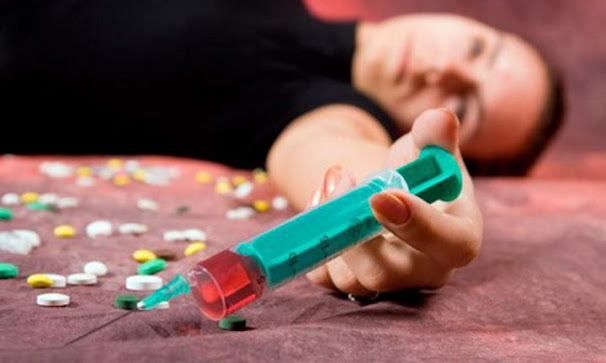
Alcoholism and Drug Addiction – How to Prevent?

,Alcoholism ,Alcohol addiction ,Alcohol abuse ,Drug addiction ,Substance abuse ,Substance use disorder ,Addiction treatment ,Rehab centers ,Drug rehab ,Alcohol rehab ,Signs of alcoholism ,Signs of drug addiction ,Withdrawal symptoms ,Support groups for addiction

Alcoholism and Drug Addiction – How to Prevent?

Introduction

Alcoholism and drug addiction are serious public health issues that affect individuals, families, and communities. Prevention plays a crucial role in reducing substance abuse and its negative consequences. By promoting awareness, building strong support systems, and encouraging healthy coping mechanisms, addiction can be prevented before it takes hold.


Effective Strategies for Prevention

1. Education and Awareness

  • Educate individuals, especially youth, about the risks of alcohol and drug abuse.
  • Conduct school and community programs to spread awareness.
  • Use media campaigns to highlight the dangers of addiction.

2. Building Strong Support Systems

  • Encourage open communication in families about substance use.
  • Strengthen relationships with friends and mentors who promote a healthy lifestyle.
  • Seek professional counseling for emotional or mental health struggles.

3. Healthy Coping Mechanisms

  • Engage in sports, hobbies, and recreational activities as positive outlets.
  • Practice stress management techniques like meditation and yoga.
  • Develop problem-solving skills to handle peer pressure and emotional distress.

4. Setting Clear Boundaries

  • Establish rules and consequences regarding alcohol and drug use at home.
  • Encourage schools and workplaces to implement strict substance use policies.
  • Teach young individuals how to say no to peer pressure.

5. Early Intervention and Support Services

  • Identify early signs of substance abuse and address them promptly.
  • Provide access to rehabilitation programs and support groups.
  • Encourage professional counseling or therapy for those at risk.

6. Government and Community Initiatives

  • Support policies that regulate alcohol and drug sales.
  • Strengthen law enforcement against illegal drug trafficking.
  • Increase funding for public health initiatives focused on addiction prevention.

Conclusion

Preventing alcoholism and drug addiction requires a collective effort from individuals, families, communities, and policymakers. By fostering education, support, and healthy lifestyles, we can reduce the risk of addiction and promote a healthier society.


Vaporizing for Smoking Cessation


,Vaporizing for smoking cessation ,Vaping as a quit smoking method ,E-cigarettes for quitting smoking ,Vaping for tobacco cessation ,Can vaping help quit smoking? ,Benefits of vaping to quit smoking ,E-liquids for smoking cessation ,Vape pens for quitting tobacco ,Nicotine vaping for quitting cigarettes ,Is vaping a safer way to quit smoking? ,Vaping vs. smoking for quitting tobacco ,E-cigarette use for tobacco cessation ,Does vaporizing help with quitting cigarettes? ,Vaping as a smoking cessation tool ,Effectiveness of vaping for quitting smoking


Vaporizing – An Alternative Approach for Smoking Tobacco Cessation

Introduction

Smoking cessation is a challenging journey for many tobacco users. Traditional methods like nicotine patches, gum, and medications have been widely used, but in recent years, vaporizing (vaping) has emerged as an alternative approach. While not entirely risk-free, vaping is considered a less harmful substitute to smoking and has helped some smokers reduce or quit tobacco use.


How Vaporizing Works

Vaporizing, or vaping, involves heating a liquid (e-liquid) containing nicotine, flavoring, and other ingredients to produce an aerosol, which is then inhaled. Unlike traditional cigarettes, which burn tobacco and produce harmful tar and carbon monoxide, vaping eliminates combustion, reducing exposure to toxic chemicals.

Types of Vaporizers:

  1. E-cigarettes – Compact, cigarette-like devices for beginners.
  2. Vape Pens – Larger than e-cigarettes, offering refillable tanks.
  3. Pod Systems – Portable and user-friendly, with prefilled or refillable pods.
  4. Box Mods – Advanced devices with customizable settings for experienced users.

Benefits of Vaporizing for Smoking Cessation

  1. Reduced Harm – Vaping exposes users to fewer harmful chemicals than smoking.
  2. Nicotine Control – E-liquids come in various nicotine strengths, allowing gradual reduction.
  3. Less Odor and Residue – Unlike tobacco smoke, vapor dissipates quickly without lingering smells.
  4. Variety of Flavors – Customizable flavors may make quitting smoking easier.
  5. Gradual Transition – Smokers can transition at their own pace while reducing nicotine dependency.

Potential Risks and Considerations

  • Health Concerns – While safer than smoking, vaping still poses health risks, particularly for long-term use.
  • Regulatory Issues – Some regions have restrictions on vaping products.
  • Addiction Risk – Nicotine addiction remains a concern, especially for non-smokers who take up vaping.
  • Quality Control – The market contains both regulated and unregulated products, requiring caution when selecting devices and e-liquids.

Comparison: Vaping vs. Traditional Smoking Cessation Methods

Method Nicotine Control Health Risk Ease of Use Effectiveness
Vaping Adjustable Lower than smoking Moderate Varies by user
Nicotine Patches Fixed doses Low Easy Effective for some
Nicotine Gum Fixed doses Low Moderate Helps reduce cravings
Prescription Medications No nicotine Low Requires doctor’s guidance Effective but with side effects

Conclusion

Vaporizing presents a potential alternative for smokers seeking to quit, offering a harm-reduction approach compared to traditional cigarettes. However, it is not entirely risk-free, and users should carefully consider their options, possibly consulting healthcare professionals for guidance.


Lumbago (Lower Back Pain)

  • ,Lumbago symptoms ,Lower back pain ,Back pain symptoms ,Lumbar pain ,Pain in the lower back ,Lower back ache ,Backache ,Lower back discomfort ,Stiff lower back ,Lower back muscle pain ,Lumbago treatment ,Lower back pain relief ,Back pain remedies ,How to relieve lower back pain ,Lower back pain management ,Lumbago home remedies ,Lower back exercises ,Lower back stretches ,Treating lumbar pain ,Lumbago medication
  • Lumbago (Lower Back Pain) – Symptoms and Treatment

    What is Lumbago?

    Lumbago is a general term for lower back pain. It can be caused by various conditions, including muscle strain, poor posture, herniated discs, arthritis, or other spinal issues.


    Symptoms of Lumbago

    Lumbago symptoms can range from mild to severe and may include:

    1. Pain in the Lower Back – Dull, aching, or sharp pain in the lumbar region.
    2. Stiffness – Difficulty moving or bending due to stiffness in the lower back.
    3. Muscle Spasms – Sudden and involuntary contractions of back muscles.
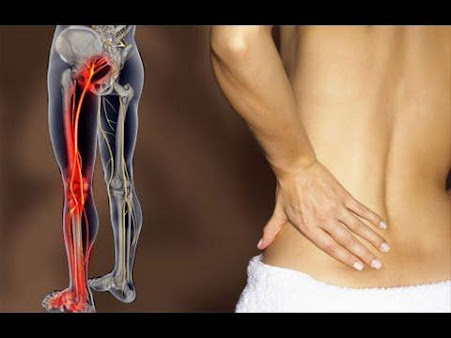
    4. Pain Radiating to Legs – In some cases, pain may extend to the buttocks or legs (sciatica).
    5. Numbness or Tingling – May occur if nerves are affected.
    6. Worsening Pain with Movement – Pain may increase with standing, sitting for long periods, or certain movements.

    Treatment for Lumbago

    Treatment depends on the cause and severity of the condition. Common approaches include:

    1. Home Remedies

    • Rest – Short-term rest (not prolonged bed rest) can help relieve pain.
    • Cold and Heat Therapy – Apply ice packs for the first 48 hours, then switch to heat therapy.
    • Gentle Exercises & Stretching – Light exercises such as walking, stretching, and yoga can help.
    • Correct Posture – Maintain good posture while sitting and standing.

    2. Medications

    • Pain Relievers – Over-the-counter (OTC) painkillers like ibuprofen or acetaminophen.
    • Muscle Relaxants – Prescribed in case of muscle spasms.
    • Topical Creams – Pain relief gels and ointments for localized pain relief.

    3. Physical Therapy

    • Strengthening exercises for core muscles.
    • Stretching routines to improve flexibility.
    • Posture correction techniques.

    4. Medical Treatments

    • Injections – Corticosteroid injections for inflammation relief.
    • Chiropractic Care – Spinal adjustments by a chiropractor.
    • Acupuncture – Some find relief through acupuncture therapy.

    5. Surgery (Rare Cases)

    Surgery may be required for severe cases, such as herniated discs or spinal stenosis.


    Prevention Tips

    • Maintain an active lifestyle with regular exercise.
    • Use ergonomic furniture and maintain good posture.
    • Avoid heavy lifting or use proper techniques.
    • Maintain a healthy weight to reduce stress on the lower back.

    If symptoms persist or worsen, consult a doctor for a proper diagnosis and treatment plan.

Wednesday, 13 July 2016

Anemia during pregnancy - danger, the reasons of occurrence, treatment

Anemia is a pathological condition of the body that is characterized by low hemoglobin and red blood cells. There are several kinds of the disease.Anemia during pregnancy is most often caused by iron deficiency. Its appearance is due to the fact that hemoglobin and iron from the maternal organism primarily flow to the fetus. If a woman eats incorrectly, an iron deficiency occurs in her body, and she develops anemia.
  • Anemia During Pregnancy: Dangers, Causes, and Treatment

    Anemia is a common condition during pregnancy, affecting both the mother and baby. It occurs when the body doesn't have enough healthy red blood cells to carry oxygen, leading to fatigue, weakness, and complications if left untreated.


    Dangers of Anemia During Pregnancy

    Untreated anemia can pose risks for both the mother and baby, including:

    ⚠️ For the Mother:
    πŸ”Ή Extreme Fatigue & Weakness – Making daily activities difficult.
    πŸ”Ή Increased Risk of Infections – Weakened immunity.
    πŸ”Ή Heart Complications – Strains the heart due to low oxygen levels.
    πŸ”Ή Postpartum Depression – Increased risk after childbirth.

    ⚠️ For the Baby:
    πŸ”Ή Low Birth Weight – Poor oxygen supply can slow fetal growth.
    πŸ”Ή Preterm Birth – Increased risk of premature delivery.
    πŸ”Ή Developmental Delays – Lack of oxygen affects brain and organ development.
    πŸ”Ή Higher Risk of Anemia in Infancy – If the mother’s iron levels are too low.


    Causes of Anemia During Pregnancy

    Anemia during pregnancy can occur due to:

    🩸 Iron Deficiency Anemia – The most common type, caused by a lack of iron, which is needed to make hemoglobin.
    🩸 Folate Deficiency Anemia – Caused by a lack of folic acid, essential for red blood cell formation.
    🩸 Vitamin B12 Deficiency – Needed for healthy nerve and blood cell development.
    🩸 Increased Blood Volume – Pregnancy increases blood volume by 50%, requiring more iron.
    🩸 Poor Diet & Malabsorption Issues – Lack of nutrient-rich foods or conditions like celiac disease.


    Treatment & Prevention of Anemia During Pregnancy

    1. Increase Iron Intake πŸ₯©πŸ₯¦

    ✔️ Eat iron-rich foods like red meat, poultry, fish, spinach, lentils, and fortified cereals.
    ✔️ Take iron supplements (as prescribed by a doctor).
    ✔️ Consume Vitamin C-rich foods (citrus fruits, tomatoes, bell peppers) to improve iron absorption.

    2. Boost Folate & Vitamin B12 Levels 🍊πŸ₯š

    ✔️ Eat folate-rich foods like leafy greens, beans, and oranges.
    ✔️ Take prenatal vitamins with folic acid and Vitamin B12.
    ✔️ Include dairy, eggs, and fortified cereals for Vitamin B12.

    3. Medical Treatment & Monitoring πŸ₯

    ✔️ Regular Blood Tests – To monitor hemoglobin levels.
    ✔️ Iron Injections (if needed) – For severe cases.
    ✔️ Dietary Counseling – Work with a doctor to ensure proper nutrition.


    Final Thoughts

    Anemia during pregnancy is common but can be managed with proper nutrition, supplements, and medical care. Early detection and treatment help ensure a healthy pregnancy and baby.


Friday, 8 July 2016

Three Athletic Injuries and the Sports Medicine Techniques That Treat Them

Alternative & Natural Remedies, Weight Loss & Fitness,


Three Athletic Injuries & the Sports Medicine Techniques That Treat Them

Athletes push their bodies to the limit, making them prone to injuries. However, sports medicine offers advanced techniques to treat and rehabilitate these injuries effectively. Here are three common athletic injuries and the best medical techniques used to treat them.


1. ACL Tear (Anterior Cruciate Ligament Injury)

✅ What Is It?
An ACL tear is a common knee injury that affects the ligament responsible for stabilizing knee movement. It often occurs when an athlete suddenly changes direction, stops abruptly, or lands improperly after a jump.

✅ Common Causes:
πŸ€ Basketball & Soccer – Sudden pivoting and cutting movements.
πŸƒ Running & Football – Abrupt stops and high-impact landings.
⛷️ Skiing – Twisting motions and falls.

Sports Medicine Treatments:

πŸ”Ή RICE Method (Rest, Ice, Compression, Elevation) – Reduces swelling and pain.
πŸ”Ή Physical Therapy & Strength Training – Strengthens surrounding muscles to restore stability.
πŸ”Ή Bracing – Provides knee support to prevent further damage.
πŸ”Ή ACL Reconstruction Surgery – If completely torn, the ligament is replaced with a graft from another tendon.


2. Rotator Cuff Injury

✅ What Is It?
The rotator cuff is a group of muscles and tendons in the shoulder that helps lift and rotate the arm. Overuse, repetitive movements, or direct trauma can cause inflammation or tears.

✅ Common Causes:
⚾ Baseball & Tennis – Repetitive overhead motions (pitching, serving).
πŸ‹️ Weightlifting – Improper lifting techniques.
πŸ€ Basketball & Volleyball – Overuse from shooting or spiking.

Sports Medicine Treatments:

πŸ”Ή Physical Therapy & Strength Exercises – Strengthens shoulder muscles to prevent stiffness.
πŸ”Ή Corticosteroid Injections – Reduces inflammation and pain.
πŸ”Ή Cryotherapy & Heat Therapy – Helps manage swelling and improve blood circulation.
πŸ”Ή Arthroscopic Surgery – Used for severe rotator cuff tears to repair tendons.


3. Concussion

✅ What Is It?
A concussion is a type of traumatic brain injury (TBI) caused by a blow to the head, leading to temporary brain dysfunction. Symptoms include headaches, dizziness, confusion, and memory issues.

✅ Common Causes:
🏈 Football & Rugby – Hard tackles and head collisions.
πŸ₯Š Boxing & MMA – Blows to the head.
🚴 Cycling & Skateboarding – Falls and crashes.

Sports Medicine Treatments:

πŸ”Ή Cognitive & Physical Rest – Avoiding screens, reading, and physical activity for recovery.
πŸ”Ή Gradual Return-to-Play Protocol – Step-by-step monitoring before resuming sports.
πŸ”Ή Vestibular Therapy – Exercises to restore balance and coordination.
πŸ”Ή ImPACT Testing (Neurocognitive Assessment) – Evaluates brain function post-injury to determine readiness for activity.


Final Thoughts

Athletes often experience injuries, but early diagnosis, proper rehabilitation, and injury prevention strategies can lead to a full recovery. Sports medicine techniques help athletes return to peak performance safely.


Common Sports Injuries That Even Non-Athletes Get

Common sports injuries for non-athletes ,Sports injuries in everyday life ,Non-athletic injuries similar to sports injuries ,Common injuries from daily activities ,Accidental injuries similar to sports injuries ,Everyday causes of sports-like injuries ,Common strains and sprains in daily life ,Injuries from falls and accidents for non-athletes ,Repetitive strain injuries in non-athletic settings

Common Sports Injuries That Even Non-Athletes Get

You don’t have to be a professional athlete to experience sports-related injuries. Everyday activities like jogging, lifting objects, or even prolonged sitting can lead to common injuries that affect joints, muscles, and tendons.


Most Common Sports Injuries in Daily Life

πŸ”Ή 1. Sprains & Strains

✅ What Happens? Overstretching or tearing of ligaments (sprains) or muscles (strains).
✅ Common Causes: Sudden movements, improper lifting, or lack of stretching.
✅ Treatment: Rest, ice, compression, and elevation (RICE method).

πŸ”Ή 2. Knee Pain & Injuries

✅ What Happens? Wear and tear on knee joints, leading to pain and stiffness.
✅ Common Causes: Climbing stairs, prolonged standing, improper squatting.
✅ Treatment: Strengthening exercises, knee braces, and proper footwear.

πŸ”Ή 3. Lower Back Pain

✅ What Happens? Strained muscles or herniated discs due to poor posture.
✅ Common Causes: Sitting too long, heavy lifting, weak core muscles.
✅ Treatment: Stretching, core strengthening, ergonomic adjustments.

πŸ”Ή 4. Tennis Elbow (Lateral Epicondylitis)

✅ What Happens? Inflammation of tendons in the elbow.
✅ Common Causes: Repetitive arm motions (typing, lifting, sports like tennis).
✅ Treatment: Ice packs, forearm exercises, rest, and compression bands.

πŸ”Ή 5. Shin Splints

✅ What Happens? Pain in the shin bone due to overuse.
✅ Common Causes: Running on hard surfaces, improper footwear, weak leg muscles.
✅ Treatment: Rest, ice therapy, stretching, and better footwear.

πŸ”Ή 6. Shoulder Injuries (Rotator Cuff Strains)

✅ What Happens? Pain and stiffness in the shoulder due to repetitive motion.
✅ Common Causes: Lifting objects incorrectly, poor posture, excessive reaching.
✅ Treatment: Shoulder strengthening, stretching, and rest.


Preventing Sports Injuries in Everyday Life

πŸ”Έ Warm Up & Stretch – Loosen muscles before any physical activity.
πŸ”Έ Use Proper Posture – Whether sitting or lifting, maintain spinal alignment.
πŸ”Έ Wear Supportive Shoes – Choose proper footwear for walking, running, or standing.
πŸ”Έ Strengthen Muscles – Engage in light strength training to prevent imbalances.
πŸ”Έ Take Breaks – Avoid overuse injuries by resting and stretching regularly.


Final Thoughts

Even non-athletes can experience sports injuries from everyday movements. With proper posture, warm-ups, and strengthening exercises, you can prevent common injuries and stay pain-free!

πŸ’¬ Have you ever had a sports-related injury in daily life? Let’s discuss! 😊


Following Athletes for Fitness: How It Can Inspire Your Health Journey

Athletes for fitness motivation ,Fitness athletes to follow ,Athletes' workout routines ,Fitness inspiration from athletes ,Athlete fitness tips ,Top fitness athletes on Instagram ,Athlete workouts on YouTube ,Athletes for health and wellness ,Famous athletes' fitness routines ,Social media fitness influencers

Following Athletes for Fitness: How It Can Inspire Your Health Journey

Following professional athletes can be a great source of motivation, fitness tips, and workout inspiration. Their training routines, discipline, and diet plans can help you build better habits and improve overall health.


                                               Why Follow Athletes for Fitness? πŸ‹️‍♂️

✅ Expert Training Insights – Learn from top performers in sports.
✅ Workout Motivation – Stay inspired by their dedication and discipline.
✅ Nutritional Guidance – Discover healthy meal plans and recovery foods.
✅ Injury Prevention Tips – Understand proper techniques and recovery methods.
✅ Consistency & Mindset – Gain the mental resilience of elite athletes.


Top Athletes to Follow for Fitness Motivation

πŸ₯‡ Cristiano Ronaldo – Strength, endurance, and discipline in football.
πŸ€ LeBron James – Intense training and recovery methods.
πŸ₯Š Conor McGregor – MMA-style fitness and body conditioning.
πŸƒ Eliud Kipchoge – Marathon endurance and mental toughness.
πŸ‹️ Tia-Clair Toomey – CrossFit champion with strength-based training.


How to Apply Athlete Fitness Tips to Your Routine

πŸƒ Set Realistic Goals – Adapt training plans to your fitness level.
πŸ₯— Follow a Balanced Diet – Eat like an athlete with high-protein, nutritious meals.
πŸ‹️ Focus on Strength & Endurance – Mix cardio, weight training, and flexibility exercises.
πŸ’€ Prioritize Recovery – Sleep, hydrate, and stretch for muscle repair.
🧠 Build a Strong Mindset – Stay consistent, push through challenges, and stay positive.


Final Thoughts

Following athletes can inspire you to train smarter, eat healthier, and stay motivated on your fitness journey. Who is your favorite athlete for fitness inspiration? Let’s discuss! 😊

Will an Inversion Table Help Me? Causes, Symptoms, Diagnosis & Treatment

Alternative & Natural Remedies, Therapy,

Will an Inversion Table Help Me? Causes, Symptoms, Diagnosis & Treatment

An inversion table is a device designed to help relieve back pain by using gravity traction to decompress the spine. It tilts your body upside down or at an angle, allowing your spine to stretch and relieve pressure on compressed discs and nerves. But is it the right solution for you? Let’s explore its benefits, risks, and whether it can help with your specific condition.


Common Causes of Back Pain & Spinal Issues

Back pain can result from various conditions that put stress on the spine, including:

✅ Herniated or Bulging Discs – Discs in the spine slip out of place, pressing on nerves.
✅ Degenerative Disc Disease – Age-related wear and tear causes disc shrinkage and pain.
✅ Sciatica – Compression of the sciatic nerve leads to pain radiating down the legs.
✅ Spinal Stenosis – Narrowing of the spinal canal, putting pressure on nerves.
✅ Muscle Strain & Poor Posture – Weak or overused muscles lead to chronic pain.
✅ Scoliosis & Other Spinal Conditions – Abnormal spine curvature affects alignment.


Symptoms That May Benefit from Inversion Therapy

If you experience the following, an inversion table may provide relief:

πŸ”Ή Lower Back Pain – Especially from disc compression or poor posture.
πŸ”Ή Nerve Pain (Sciatica) – If caused by disc pressure on the sciatic nerve.
πŸ”Ή Stiffness & Reduced Flexibility – Helps stretch tight muscles and improve mobility.
πŸ”Ή Compressed Spinal Discs – Creates space between vertebrae, relieving pressure.
πŸ”Ή Chronic Pain from Poor Posture – Corrects spinal misalignment over time.

However, not everyone is a good candidate for inversion therapy. Let’s dive into the diagnosis and treatment options.


Diagnosis of Back Pain & Spinal Conditions

If you have persistent back pain, it’s essential to get a proper diagnosis before trying an inversion table. Common diagnostic methods include:

🩺 Physical Examination – Checking posture, flexibility, and pain response.
πŸ“Έ Imaging Tests – X-rays, MRIs, or CT scans to assess spinal structure.
⚡ Nerve Tests (EMG & Nerve Conduction Studies) – Evaluates nerve function and compression.
πŸ”¬ Blood Tests – To rule out infections or inflammatory conditions like arthritis.

Once diagnosed, your doctor may recommend various treatment options, including physical therapy, medication, or alternative treatments like inversion therapy.


How an Inversion Table Works

An inversion table is designed to tilt your body at different angles to:

✔️ Relieve Spinal Pressure – Gravity stretches the spine, reducing compression.
✔️ Improve Circulation – Enhances blood flow to discs and muscles.
✔️ Reduce Nerve Compression – Helps relieve sciatica and pinched nerves.
✔️ Promote Flexibility – Improves range of motion and posture.
✔️ Relax Muscles – Alleviates tension and stiffness.

Usage Guidelines:
πŸ”Ή Start at a gentle angle (15-30 degrees) for 1-2 minutes.
πŸ”Ή Gradually increase the angle and duration as tolerated.
πŸ”Ή Limit sessions to 5-10 minutes to avoid dizziness or discomfort.
πŸ”Ή Always return to an upright position slowly to prevent blood pressure changes.


Who Should NOT Use an Inversion Table? (Risk Factors & Contraindications)

While inversion therapy can be helpful, it’s not suitable for everyone. You should avoid using an inversion table if you have:

🚫 High Blood Pressure or Heart Disease – Can cause blood pressure spikes.
🚫 Glaucoma or Eye Problems – Increases pressure in the eyes.
🚫 Osteoporosis or Weak Bones – May increase fracture risk.
🚫 Hernias (Abdominal or Hiatal) – Could worsen symptoms.
🚫 Pregnancy – Inversion may not be safe for expectant mothers.

Always consult a doctor or physical therapist before trying inversion therapy, especially if you have any existing medical conditions.


Alternative Treatments for Back Pain

If inversion therapy isn’t suitable for you, consider these alternative treatments:

πŸ”Ή 1. Physical Therapy & Exercise

πŸ‹️ Core Strengthening – Strengthens muscles supporting the spine.
🧘 Stretching & Yoga – Improves flexibility and posture.
🏊 Low-Impact Cardio (Swimming, Walking) – Enhances blood flow to the spine.

πŸ”Ή 2. Medications & Pain Management

πŸ’Š NSAIDs (Ibuprofen, Naproxen) – Reduce inflammation and pain.
πŸ’Š Muscle Relaxants – Help relieve muscle spasms.
πŸ’Š Topical Analgesics (Lidocaine, Capsaicin Creams) – Target localized pain.

πŸ”Ή 3. Alternative & Holistic Therapies

🌿 Chiropractic Adjustments – Realign the spine to relieve pressure.
πŸ’† Massage Therapy – Loosens tight muscles and improves circulation.
🌿 Acupuncture – May help reduce nerve-related pain.

πŸ”Ή 4. Lifestyle Changes & Ergonomics

πŸͺ‘ Use an Ergonomic Chair – Supports proper posture.
πŸ›Œ Sleep on a Supportive Mattress – Keeps the spine aligned.
🚢 Take Frequent Breaks – Avoid prolonged sitting or standing.


Final Thoughts: Should You Try an Inversion Table?

✅ Try it if: You have disc compression, sciatica, or chronic back pain and your doctor approves.
❌ Avoid it if: You have heart issues, high blood pressure, osteoporosis, or eye conditions.

Inversion therapy can be a helpful tool when used correctly, but it’s not a cure-all. Combining it with exercise, physical therapy, and lifestyle changes will provide the best long-term relief.

πŸ’‘ home back pain exercises? Let’s discuss! 😊

Safe At-Home Back Pain Exercises 🏑πŸ’ͺ

If you're dealing with back pain, gentle stretches and strengthening exercises can help relieve tension, improve flexibility, and support your spine. These exercises are safe, easy to do at home, and require little to no equipment.


1️⃣ Cat-Cow Stretch (Spinal Mobility) πŸ±πŸ„

✔️ Improves flexibility and relieves tension in the spine.

πŸ”Ή How to Do It:

  1. Start on all fours with your hands under your shoulders and knees under your hips.
  2. Inhale, arch your back, lift your head, and push your belly down (Cow Pose).
  3. Exhale, round your back, tuck your chin, and pull your belly in (Cat Pose).
  4. Repeat 8-10 times in a slow, controlled motion.

2️⃣ Child’s Pose (Lower Back Stretch) 🧘

✔️ Gently stretches the lower back, hips, and thighs.

πŸ”Ή How to Do It:

  1. Kneel on the floor and sit back on your heels.
  2. Stretch your arms forward and lower your chest toward the ground.
  3. Hold for 20-30 seconds, breathing deeply.
  4. Repeat 2-3 times.

3️⃣ Pelvic Tilts (Core & Lower Back Strength) πŸ”„

✔️ Strengthens core muscles and stabilizes the lower back.

πŸ”Ή How to Do It:

  1. Lie on your back with knees bent and feet flat on the floor.
  2. Tighten your abdominal muscles and press your lower back into the floor.
  3. Hold for 5 seconds, then release.
  4. Repeat 10-15 times.

4️⃣ Knee-to-Chest Stretch (Lower Back Relief) πŸ€—

✔️ Eases tension in the lower back and improves flexibility.

πŸ”Ή How to Do It:

  1. Lie on your back with knees bent.
  2. Bring one knee toward your chest and hold it with both hands.
  3. Hold for 20-30 seconds, then switch legs.
  4. Repeat 2-3 times per leg.

5️⃣ Bridge Exercise (Core & Glutes Strengthening) πŸŒ‰

✔️ Strengthens the lower back, glutes, and core muscles.

πŸ”Ή How to Do It:

  1. Lie on your back with knees bent and feet hip-width apart.
  2. Tighten your core and slowly lift your hips, creating a straight line from shoulders to knees.
  3. Hold for 5-10 seconds, then slowly lower down.
  4. Repeat 10-15 times.

6️⃣ Seated Spinal Twist (Upper & Lower Back Stretch) πŸŒ€

✔️ Improves spinal mobility and relieves tension.

πŸ”Ή How to Do It:

  1. Sit cross-legged or with legs extended.
  2. Place your right hand on your left knee and twist your torso to the left.
  3. Hold for 20 seconds, then switch sides.
  4. Repeat 2-3 times per side.

Bonus Tips for a Healthy Back 🎯

✅ Maintain Good Posture – Sit and stand tall with shoulders relaxed.
✅ Stay Active – Avoid prolonged sitting or standing.
✅ Use an Ergonomic Chair – Supports your lower back.
✅ Sleep on a Supportive Mattress – Keeps the spine aligned.
✅ Apply Heat or Ice – Helps with pain relief and inflammation.